

Why Apps Matter in Everyday Life Downloading Apps
Take a moment to think about how often you use your phone in a single day. From the moment you wake up to the time you go to sleep, chances are you rely on apps more than you realize. Whether it’s checking messages, ordering food, watching videos, or managing your work, apps have quietly become a core part of modern living.
What makes apps so powerful is their ability to simplify complex tasks. Years ago, something as simple as booking a train ticket or paying a bill required standing in long queues or dealing with paperwork. Today, all of that can be done within seconds through a single app. This shift has not only saved time but has also made services more accessible to people across different regions, including those in smaller towns and rural areas.
Another reason apps matter is convenience. Everything is designed to be user-friendly, even for people who are not very tech-savvy. With clear buttons, simple navigation, and guided steps, most apps are built in a way that anyone can learn to use them quickly. This ease of use has played a huge role in the rapid growth of smartphone users around the world.
Apps also help people stay connected. Communication apps allow friends, families, and colleagues to interact instantly, no matter where they are. This has become especially important in recent years, where remote work and online communication have become more common. Sharing photos, sending messages, or even attending meetings can all happen through a few taps on a screen.
Beyond communication and convenience, apps are also a major source of entertainment. Music streaming, movies, games, and social platforms give users endless options to relax and enjoy their free time. Unlike traditional entertainment, apps offer personalized experiences. They learn your preferences and suggest content that matches your interests, making the experience more engaging.
Education is another area where apps have made a significant impact. Students can now access learning materials, watch tutorials, and even attend live classes from their homes. This has opened up opportunities for people who may not have access to quality education otherwise. Learning is no longer limited to classrooms; it has become flexible and available anytime.
However, while apps offer many benefits, it is also important to understand that not all apps are trustworthy. With the increasing number of apps being developed every day, there is also a rise in fake or harmful applications. Some apps may try to collect personal information, show misleading ads, or even harm your device. This is why being careful about what you download is just as important as knowing how to download.
Choosing the right app can make a big difference in your experience. A well-designed app can save time, improve productivity, and provide real value. On the other hand, a poorly designed or unsafe app can lead to frustration, privacy issues, or even financial loss. This is why users should always take a few extra moments to check details like ratings, reviews, and permissions before installing any app.
Another important point to consider is how apps influence daily habits. Many apps are designed to keep users engaged for long periods. While this can be useful, it can also lead to excessive screen time if not managed properly. Being mindful of how much time you spend on apps is essential for maintaining a healthy balance between digital and real-life activities.
In simple terms, apps are tools. Like any tool, their value depends on how they are used. When used wisely, they can improve efficiency, provide entertainment, and open up new opportunities. But when used carelessly, they can create risks and distractions.
Understanding the importance of apps is the first step toward using them responsibly. As technology continues to evolve, apps will become even more advanced and integrated into our lives. Staying informed and making smart choices will help you get the most out of them while staying safe.
In the next section, we will explore where to download apps safely and how to ensure that you are choosing reliable sources.
Where to Download Apps Safely
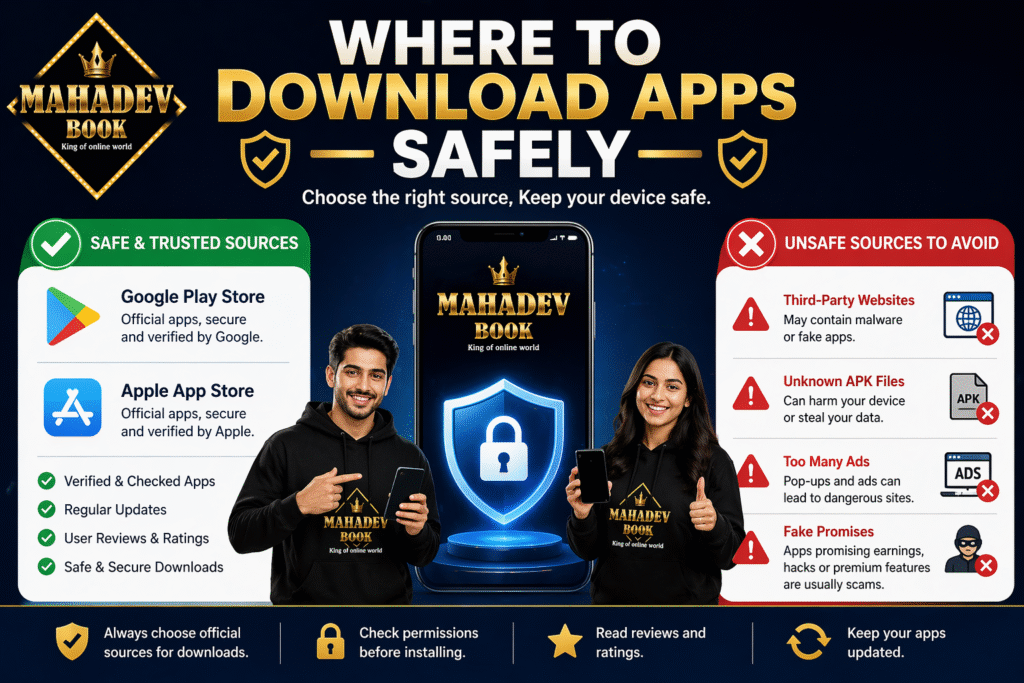
Once you understand the importance of apps in daily life, the next step is knowing where to download them from. This is a crucial part of the process because the source you choose directly affects your device’s safety and your personal data. Many users make the mistake of downloading apps from random websites, often without realizing the risks involved.
The safest and most reliable way to download apps is through official app stores. For Android users, the Google Play Store is the primary platform, while iPhone users rely on the Apple App Store. These platforms have built-in security systems that review apps before they are published. While no system is perfect, these checks significantly reduce the chances of harmful or fake apps being available.
Official stores also provide useful information that helps users make better decisions. You can see ratings, read reviews, check the number of downloads, and view details about the developer. This transparency allows you to judge whether an app is trustworthy before installing it. For example, an app with millions of downloads and positive reviews is generally more reliable than one with very little user feedback.
Another advantage of using official platforms is automatic updates. Apps downloaded from trusted stores receive regular updates that fix bugs, improve performance, and enhance security. These updates are important because they protect your device from new threats that may arise over time. When you download apps from unofficial sources, you often miss out on these updates, leaving your device vulnerable.
However, not every app is always available on official stores. In some cases, users look for APK files, especially on Android devices. APK files are installation packages that allow you to install apps manually. While this can be useful, it also comes with higher risk. Many APK files found online are modified or fake versions of original apps. These versions may contain hidden malware, ads, or tracking software that can harm your device or compromise your privacy.
If you decide to download an APK file, it is important to be extra careful. Always use well-known and trusted websites, and avoid clicking on suspicious links or pop-up ads. Check the file size, version details, and user feedback if available. It is also a good idea to scan the file with antivirus software before installing it on your device.
One common warning sign of unsafe sources is the presence of too many advertisements or forced redirects. If a website keeps opening new pages or asks you to download additional files, it is better to leave immediately. These are often tactics used to trick users into downloading harmful software.
Permissions are another key factor to consider, regardless of where you download an app. Before installing, take a moment to review what access the app is requesting. For example, a simple game should not need access to your contacts or messages. If something feels unnecessary or excessive, it is better not to proceed.
It is also important to avoid apps that promise unrealistic features. For instance, apps claiming to offer guaranteed earnings, hacks, or shortcuts to premium services often turn out to be scams. These apps are designed to attract users quickly but can lead to data theft or financial loss. Being cautious and thinking logically can help you avoid such traps.
Another good practice is to keep your device settings secure. Most smartphones have an option that blocks installations from unknown sources. This setting should remain turned off unless absolutely necessary. Enabling it only when needed and disabling it afterward adds an extra layer of protection.
Parents and guardians should also pay attention to what apps are being downloaded on shared or family devices. Children may not always recognize the risks, so guiding them and setting restrictions can help prevent accidental downloads from unsafe sources.
In simple terms, downloading apps is not just about convenience—it is also about responsibility. Choosing the right source ensures that your device stays secure and your personal information remains protected. Taking a few extra minutes to verify an app can save you from potential problems in the future.
As technology continues to grow, so do the methods used by malicious developers. Staying aware and informed is the best way to stay safe. In the next section, we will look at the step-by-step process of downloading and installing an app correctly on your device.
How to Download and Install an App (Step-by-Step Guide)

After understanding where to download apps safely, the next important step is learning how to properly download and install them on your device. While the process may seem simple, doing it correctly ensures that the app works smoothly and your device remains secure.
The method of downloading an app can vary slightly depending on whether you are using an Android device or an iPhone, but the overall process remains quite similar. The key is to follow each step carefully and avoid rushing through the installation.
To begin, unlock your smartphone and open the official app store available on your device. Android users will typically use the Google Play Store, while iPhone users will use the Apple App Store. These platforms are designed to make the process easy and secure for users of all experience levels.
Once the app store is open, use the search bar at the top of the screen to type the name of the app you want to download. As you type, you may see several suggestions appear. It is important to select the correct app, especially if there are multiple apps with similar names. Always check the app icon, developer name, and ratings before proceeding.
After finding the app, tap on it to open its details page. Here, you will see useful information such as user reviews, ratings, screenshots, and a description of the app. Take a moment to go through this information. Reviews can give you a clear idea about the app’s performance and whether other users have faced any issues.
If everything looks good, you can proceed by tapping the “Install” or “Get” button. At this point, your device may ask for confirmation. On some devices, you may need to enter your password, PIN, or use fingerprint or face recognition to approve the download. This step ensures that no app is installed without your permission.
Once the download starts, you will see a progress indicator. The time it takes depends on your internet speed and the size of the app. It is always better to use a stable internet connection, such as Wi-Fi, to avoid interruptions during the download.
After the app is downloaded, it will automatically begin installing on your device. In most cases, this process only takes a few seconds. Once the installation is complete, you will see an “Open” button on the screen. You can tap it to launch the app immediately, or you can find the app icon on your home screen and open it later.
For Android users who are installing apps using APK files, the process includes a few additional steps. Before installing, you need to enable the option that allows installations from unknown sources. This setting can usually be found in the security or privacy section of your device settings. After enabling it, open the downloaded APK file and follow the on-screen instructions to install the app.
However, it is important to disable this setting once the installation is complete. Keeping it enabled can make your device more vulnerable to unwanted installations. Always remember that this option should only be used when absolutely necessary.
After installing any app, it is a good practice to review the permissions it requests. When you open the app for the first time, it may ask for access to features like your camera, location, storage, or contacts. Only allow permissions that are necessary for the app to function properly. If something seems unnecessary, you can deny the request.
Another important step is to keep your apps updated. Developers regularly release updates to fix bugs, improve performance, and enhance security. Enabling automatic updates can save time and ensure that you are always using the latest version of the app.
Sometimes, users face issues during installation, such as the app not downloading or failing to install. In such cases, checking your internet connection, clearing storage space, or restarting your device can often solve the problem. If the issue continues, updating your device software may help.
In simple terms, downloading and installing an app is not just about tapping a button. It involves making informed choices at each step. From selecting the right app to reviewing permissions and keeping it updated, every step plays a role in ensuring a smooth and safe experience.
By following these steps carefully, you can enjoy the benefits of apps without worrying about security or performance issues. In the next section, we will explore the key features to look for in a good app and how to choose the best one for your needs.
Key Features to Look for in a Good App
After learning how to download and install apps, the next important step is understanding how to choose the right one. With thousands of apps available for the same purpose, selecting a good app can sometimes feel confusing. However, by focusing on a few key features, you can easily identify which apps are worth your time and which ones should be avoided.
One of the first things to look at is the user interface. A good app should be simple, clean, and easy to navigate. When you open the app, you should be able to understand how it works without needing too much guidance. Buttons should be clearly labeled, and the overall layout should not feel cluttered. If an app looks confusing or difficult to use from the start, it may not provide a good experience in the long run.
Performance is another major factor. A well-designed app should run smoothly without frequent crashes or delays. Slow loading times, freezing screens, or constant errors are signs that the app may not be properly optimized. These issues can become frustrating, especially if you rely on the app regularly. Checking user reviews can often help you identify whether an app performs well on different devices.
Security is equally important when choosing an app. A reliable app will respect your privacy and only ask for permissions that are necessary for its function. For example, a photo editing app may need access to your storage, but it should not require access to your contacts or messages. If an app asks for too many permissions without a clear reason, it is better to avoid it.
Regular updates are a sign of a trustworthy app. Developers who actively maintain their apps usually release updates to fix bugs, improve performance, and add new features. An app that has not been updated for a long time may have unresolved issues or security risks. Before downloading, you can check the last update date in the app details section.
Another feature to consider is compatibility. Not all apps work perfectly on every device. Some apps are designed for specific versions of an operating system or require certain hardware capabilities. Before installing, make sure the app is compatible with your device. This helps avoid problems such as installation failure or poor performance.
User reviews and ratings play a big role in evaluating an app. While no app is perfect, a consistently high rating usually indicates a positive user experience. Reading a few recent reviews can give you insight into any common issues or improvements. Be cautious of apps with very low ratings or a large number of negative comments.
A good app should also offer clear and useful features. It should do what it promises without unnecessary complications. Some apps try to include too many features, which can make them difficult to use. Others may not deliver on their promises at all. Look for apps that are focused, reliable, and provide real value.
Another point to keep in mind is the presence of advertisements. While many free apps rely on ads for revenue, excessive or intrusive ads can ruin the user experience. If an app shows too many pop-ups or redirects you to other pages frequently, it may not be worth using. A balanced approach to ads is usually a sign of a better app.
Offline functionality can also be an advantage. Some apps allow you to use certain features even without an internet connection. This can be helpful in situations where connectivity is limited. While not all apps need this feature, it can add extra convenience.
Customer support is often overlooked but can be very useful. A good app usually provides a way to contact support or report issues. Whether it’s through email, chat, or a help section, having support available can make a big difference if you face any problems.
In simple terms, choosing a good app is about paying attention to details. From design and performance to security and updates, each factor plays a role in your overall experience. Taking a few minutes to review these aspects can help you avoid poor-quality apps and make better choices.
As apps continue to evolve, new features and improvements will keep emerging. Staying informed and being selective will ensure that you always choose apps that are safe, efficient, and useful. In the next section, we will discuss how to stay safe while using apps and protect your personal information.
How to Stay Safe While Using Apps
Downloading and installing an app is only part of the process. What truly matters is how you use the app after it is installed. Many users focus on getting the app but overlook basic safety practices, which can lead to privacy issues or security risks over time. Understanding how to use apps safely helps protect both your personal information and your device.
One of the most important habits is managing app permissions carefully. When you open an app for the first time, it may request access to different features such as your camera, location, microphone, or contacts. It is important to think before allowing these permissions. Only grant access if it is necessary for the app’s main function. For example, a navigation app may need your location, but a simple game usually does not.
Another key step is keeping your apps updated. Updates are not just about adding new features—they often fix security issues and improve performance. Developers regularly identify and patch vulnerabilities, so using the latest version of an app reduces the chances of being exposed to risks. Enabling automatic updates can make this process easier and ensure that you are always protected.
Using strong and unique passwords is also essential. Many apps require you to create an account, and using the same password across multiple apps can be risky. If one account is compromised, others may also be affected. A strong password should include a mix of letters, numbers, and symbols. Changing your passwords from time to time adds an extra layer of security.
Be cautious when connecting apps to other services. Some apps allow you to sign in using social media accounts or link with other platforms. While this can be convenient, it also means sharing your data across multiple services. Always review what information is being shared and avoid connecting apps unnecessarily.
Public Wi-Fi networks can also pose a risk when using apps. These networks are often unsecured, making it easier for data to be intercepted. Avoid logging into sensitive accounts or making transactions while connected to public Wi-Fi. If you must use it, consider using a secure connection or waiting until you are on a trusted network.
Another important habit is monitoring app activity. If you notice unusual behavior—such as unexpected pop-ups, increased data usage, or sudden battery drain—it could be a sign that something is not right. In such cases, it is best to review the app settings or uninstall the app if necessary.
Downloading too many apps can also increase risk. Each app you install has access to some part of your device, and having too many unused apps can make it harder to manage permissions and updates. It is a good practice to regularly review your apps and remove the ones you no longer use.
Notifications should also be managed wisely. While notifications can be helpful, some apps may send excessive or misleading alerts to grab your attention. Adjusting notification settings ensures that you only receive important updates and reduces unnecessary distractions.
Data privacy is another area that should not be ignored. Many apps collect user data to improve their services, but it is important to understand what information is being collected and how it is used. Reading the privacy policy may seem time-consuming, but it can give you a better idea of how your data is handled.
Installing a reliable security or antivirus app can provide additional protection. These tools can scan apps, detect threats, and alert you about potential risks. While not always required, they can be useful for users who frequently download new apps or use APK files.
It is also important to avoid clicking on suspicious links within apps. Some apps may display ads or messages that lead to external websites. These links can sometimes redirect you to harmful pages. Always verify before clicking and avoid sharing personal information on unknown sites.
In simple terms, staying safe while using apps is about being aware and cautious. Small steps like reviewing permissions, updating apps, and avoiding risky behavior can make a big difference. Technology is designed to make life easier, but using it responsibly ensures that it remains safe and beneficial.
By following these practices, you can enjoy using apps without worrying about security issues. In the next section, we will look at common mistakes people make while downloading and using apps, and how you can avoid them.
Our Partner Website & Trusted Betting Network
When it comes to downloading apps related to online platforms, especially in the gaming and betting space, trust becomes even more important. Users are often concerned about whether a platform is reliable, secure, and worth their time. This is where trusted networks and verified partner websites play a key role in ensuring a safe experience while downloading apps.
A trusted betting network is built on transparency, user satisfaction, and secure systems. Before downloading apps from any platform, it is important to know whether the service is connected to a reliable network. Partner websites help users identify platforms that are already recognized for their performance and credibility. This reduces the risk associated with downloading apps from unknown or unverified sources.
One such platform that has gained attention in this space is dream11.global. It is known among users who are interested in online gaming and fantasy sports experiences. While downloading apps, many users prefer platforms that are already connected with recognized networks, as it provides an additional layer of confidence. Including trusted partner websites in your research can make downloading apps a more informed process.
The benefit of choosing a trusted network is that it often ensures better security standards. Platforms connected to such networks are more likely to follow proper guidelines, protect user data, and maintain fair practices. This is especially important when downloading apps that involve account creation or financial transactions. Users should always prioritize safety over convenience when downloading apps.
Another advantage of using partner websites is the availability of updated information. These platforms often provide the latest details about app versions, features, and access methods. Instead of searching through multiple sources, users can rely on a trusted partner to guide them in downloading apps safely. This saves time and reduces confusion.
It is also worth noting that trusted networks usually focus on user experience. From smooth performance to responsive support systems, these platforms aim to provide a better overall service. When downloading apps connected to such networks, users are more likely to have a stable and reliable experience.
However, even when using partner websites, it is important to stay cautious. Always verify links, avoid sharing sensitive information unnecessarily, and ensure that you are accessing the correct platform. Safe downloading apps practices should always be followed, regardless of how trusted a platform may seem.
In addition, users should avoid relying solely on promotions or claims. A platform may appear attractive due to offers or bonuses, but it is important to evaluate its credibility first. Trusted networks are built over time through consistent performance, not just marketing. While downloading apps, focusing on reliability is always a better approach.
Another key point is responsible usage. Even when downloading apps from trusted networks, users should set limits and use the platform wisely. Responsible behavior ensures that the experience remains enjoyable and risk-free. Trusted networks support fair use, but users also have a role in maintaining balance.
In simple terms, partner websites and trusted betting networks act as a guide for safer downloading apps. They help users avoid unreliable sources and make better decisions. By choosing platforms that are already recognized and connected to trusted systems, users can reduce risks and improve their overall experience.
As the digital space continues to grow, the importance of trusted networks will only increase. Users who take the time to verify platforms and follow safe downloading apps practices will always have a better and more secure experience. Whether you are new or experienced, relying on trusted partners is a smart step toward safe and confident app usage.
Frequently Asked Questions (FAQs) About Downloading Apps
When it comes to downloading apps, many users have similar questions. Whether you are new to smartphones or simply want to improve your understanding, these frequently asked questions will help you learn more about downloading apps safely and efficiently.
What is the safest way of downloading apps?
The safest way of downloading apps is by using official app stores. Platforms like the Google Play Store and Apple App Store are designed for secure downloading apps because they review applications before making them available. Downloading apps from trusted sources reduces the risk of malware, fake apps, and data theft. Always avoid random websites when downloading apps.
Can I download apps for free?
Yes, many apps are available for free downloading apps. However, free downloading apps may include ads or in-app purchases. While downloading apps, always check if the app is truly free or if it offers paid features. Free downloading apps can still be useful, but it is important to understand their limitations.
Is downloading apps from APK sites safe?
Downloading apps from APK websites can be risky. While some users prefer APK downloading apps for early access or unavailable apps, not all APK sources are secure. Unsafe downloading apps from unknown APK sites may harm your device. If you choose APK downloading apps, always use trusted platforms and scan files before installing.
Why do apps require permissions while downloading apps?
When downloading apps, permissions are required to access certain features of your device. For example, a camera app needs camera access, while a navigation app needs location access. However, while downloading apps, you should avoid apps that ask for unnecessary permissions. Safe downloading apps only request what they truly need.
How can I check if an app is safe before downloading apps?
Before downloading apps, you should check ratings, reviews, and developer details. High ratings and positive feedback usually indicate safe downloading apps. Also, verify the number of downloads and update history. Taking these steps ensures safer downloading apps and reduces risks.
What should I do if an app is not installing after downloading apps?
Sometimes users face issues while downloading apps or installing them. This can happen due to low storage, poor internet, or outdated software. If downloading apps fails, try clearing space, restarting your device, or checking your internet connection. These simple steps often fix downloading apps problems.
Do I need internet for downloading apps?
Yes, downloading apps requires an internet connection. A stable Wi-Fi connection is recommended for faster downloading apps. Mobile data can also be used, but large apps may consume more data. Always ensure a reliable connection for smooth downloading apps.
How often should I update apps after downloading apps?
After downloading apps, it is important to keep them updated regularly. Updates improve security and performance. Ignoring updates after downloading apps can lead to bugs or vulnerabilities. Enabling automatic updates helps maintain safe and efficient downloading apps usage.
Can downloading apps harm my phone?
Downloading apps from unsafe sources can harm your device. Malware, viruses, or fake apps can enter your phone through unsafe downloading apps. However, downloading apps from official stores and trusted platforms is generally safe. Being careful while downloading apps is the key to protecting your device.
Why do some apps take time while downloading apps?
The speed of downloading apps depends on your internet connection and app size. Large apps naturally take more time during downloading apps. Slow networks can also delay downloading apps. Using a fast and stable connection improves downloading apps speed.
Can I uninstall apps after downloading apps?
Yes, you can uninstall apps anytime after downloading apps. If you no longer need an app, removing it helps free up storage and improves device performance. Managing apps after downloading apps is a good habit for keeping your device organized.
What are the benefits of downloading apps?
Downloading apps provides convenience, entertainment, and productivity. From communication to learning, downloading apps makes everyday tasks easier. However, safe downloading apps practices are essential to enjoy these benefits without risks.
In conclusion, downloading apps is a simple process, but doing it safely requires awareness. By understanding these common questions, you can improve your downloading apps experience and avoid unnecessary risks. Always focus on secure downloading apps methods, check details before installing, and use trusted sources for better results.
Conclusion: Smart and Safe Approach to Downloading Apps
Downloading apps has become a regular part of everyday life, but understanding the right approach to downloading apps makes a significant difference. Whether you are downloading apps for entertainment, productivity, or communication, the process should always be done with care and awareness. Many users focus only on quick downloading apps without paying attention to safety, which can lead to unnecessary risks.
The first and most important point to remember about downloading apps is choosing the right source. Safe downloading apps always starts with trusted platforms such as official app stores. These platforms are designed to make downloading apps secure and reliable. On the other hand, downloading apps from unknown or unverified websites increases the chances of malware and data theft. This is why responsible downloading apps begins with selecting a safe source.
Another key factor in downloading apps is checking app details before installation. Many users skip this step, but reviewing ratings, reading user feedback, and verifying developer information can improve your downloading apps experience. Smart downloading apps habits include taking a few extra minutes to confirm that the app is genuine and useful. This simple step can prevent future problems.
Permissions also play a major role in downloading apps. While downloading apps, always review what access the app is requesting. Safe downloading apps means allowing only necessary permissions. Ignoring this step during downloading apps can lead to privacy concerns. Being mindful of permissions ensures that downloading apps remains secure and controlled.
Keeping apps updated is another essential part of downloading apps. After downloading apps, updates help maintain performance and fix security issues. Many users ignore updates after downloading apps, but this can leave their devices vulnerable. Regular updates are an important part of responsible downloading apps usage.
Storage management is also connected to downloading apps. Installing too many apps without monitoring storage can slow down your device. Effective downloading apps habits include removing unused apps and keeping enough space for new installations. This not only improves performance but also makes downloading apps smoother.
Another important aspect of downloading apps is avoiding unrealistic or misleading applications. Some apps promise quick results, instant earnings, or features that seem too good to be true. Safe downloading apps requires logical thinking and careful decision-making. Trustworthy downloading apps always provide clear and realistic features.
Security practices should continue even after downloading apps. Using strong passwords, avoiding public Wi-Fi for sensitive activities, and monitoring app behavior are all part of safe downloading apps usage. Many risks occur not during downloading apps, but after installation due to careless usage. Staying alert ensures that downloading apps remains beneficial.
It is also important to limit the number of apps you install. Downloading apps in large numbers without proper evaluation can create confusion and increase security risks. Organized downloading apps habits include installing only what you truly need and regularly reviewing your apps. This helps maintain better control over your device.
Another point to consider is educating yourself about downloading apps. Technology continues to evolve, and new types of apps are introduced regularly. Staying informed about safe downloading apps practices helps you adapt and make better decisions. Knowledge plays a key role in improving your downloading apps experience.
In simple terms, downloading apps is not just about convenience—it is about responsibility. Each step, from choosing the source to managing permissions and updates, contributes to a safe experience. Careless downloading apps can lead to problems, while smart downloading apps can improve your daily life.
To sum it up, always focus on safe, secure, and informed downloading apps practices. Use trusted sources, review app details, manage permissions, and stay updated. By following these habits, you can enjoy the full benefits of downloading apps without worrying about risks.
Downloading apps will continue to be an essential part of digital life, and making the right choices will ensure that it remains a positive and useful experience for you.
 Get WhatsApp ID Now